







Principal Engineer·The New York Times

Everyone is coding now. I help make it grown-up.

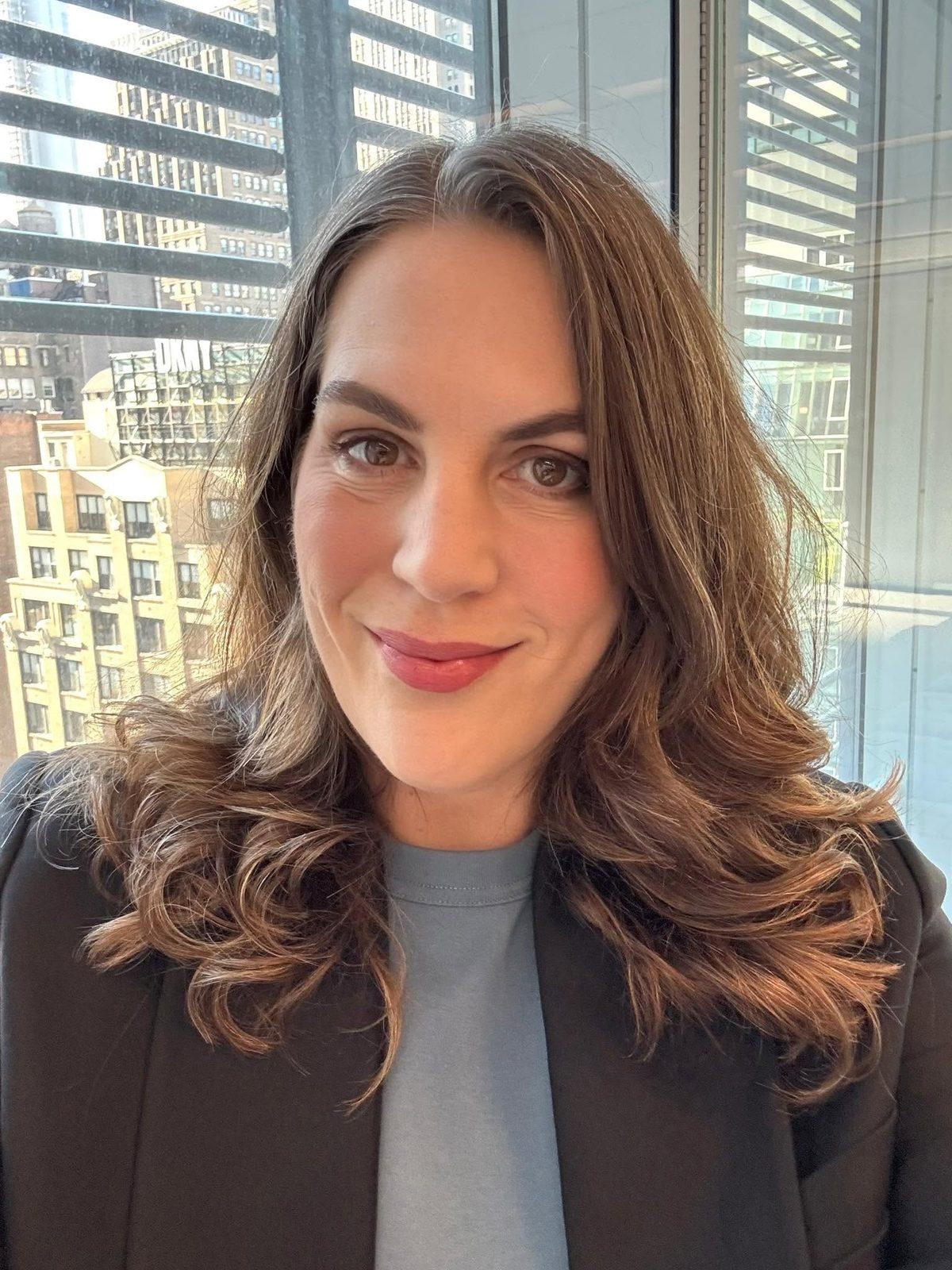
I’m Daniela Kinsella. I’ve been writing software for almost 30 years, in Berlin and New York. On the AI Enablement team at The New York Times I help the people who understand the work build their own tools, and I make sure those tools are stable, observable, secure and governed.

Daniela Kinsella

Daniela Kinsella

Jersey City, NJ · Berlin, Germany

30yrs

writing software, in Berlin and New York.

0

production disruptions replacing 20-year-old print systems at The Times.

20M

monthly readers served by the news platform I led at Patch.

600+

engineers reached by the agentic engineering training I co-designed.

My story

I didn’t go to college. I’m an immigrant. I came to this country at 39 to build a startup that cost me everything. So I know a little bit about starting over.

The rules changed and nobody told us. That is what a lot of us feel about AI right now. It’s also the story of my whole career.

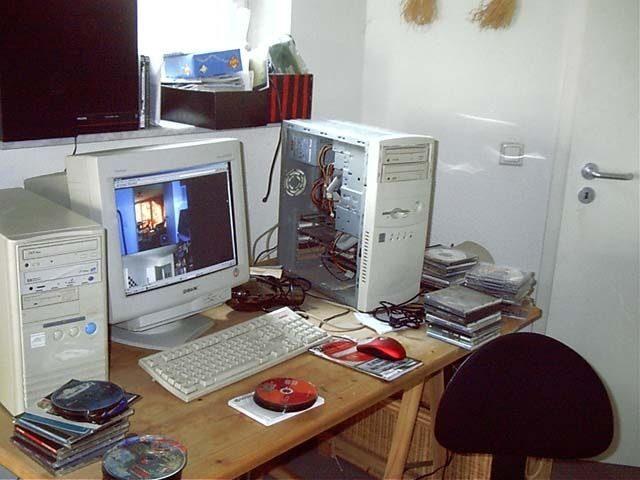
My desk in Berlin in 1998, with a beige PC and CRT monitor
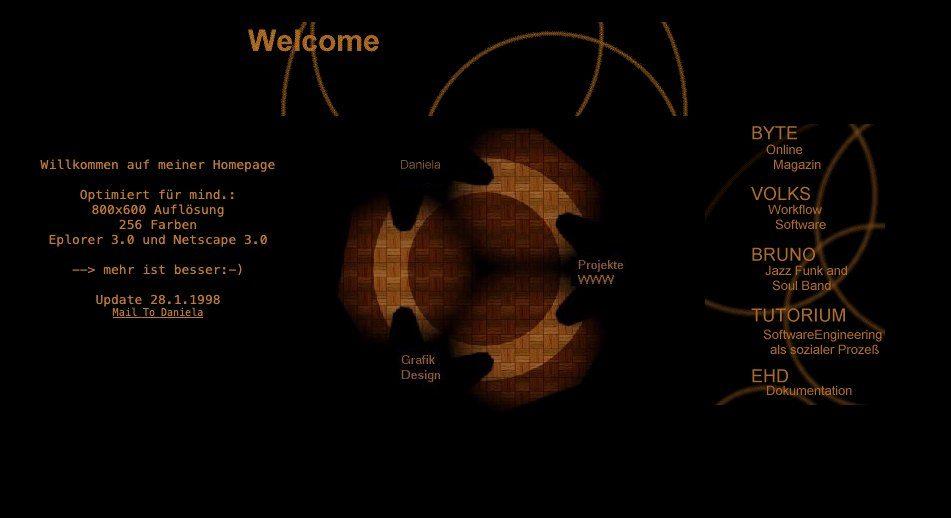
My first homepage from 1998, orange text on a black background

Berlin, 1998

One year. Line by line.

I lasted one semester of computer science at TU Berlin. Nobody was welcoming, and the guys all acted like they already understood everything. So I did it myself: I bought programming books in English, which I could barely read, and copied the code out of them for almost a year. At the end of that year I had built a website.

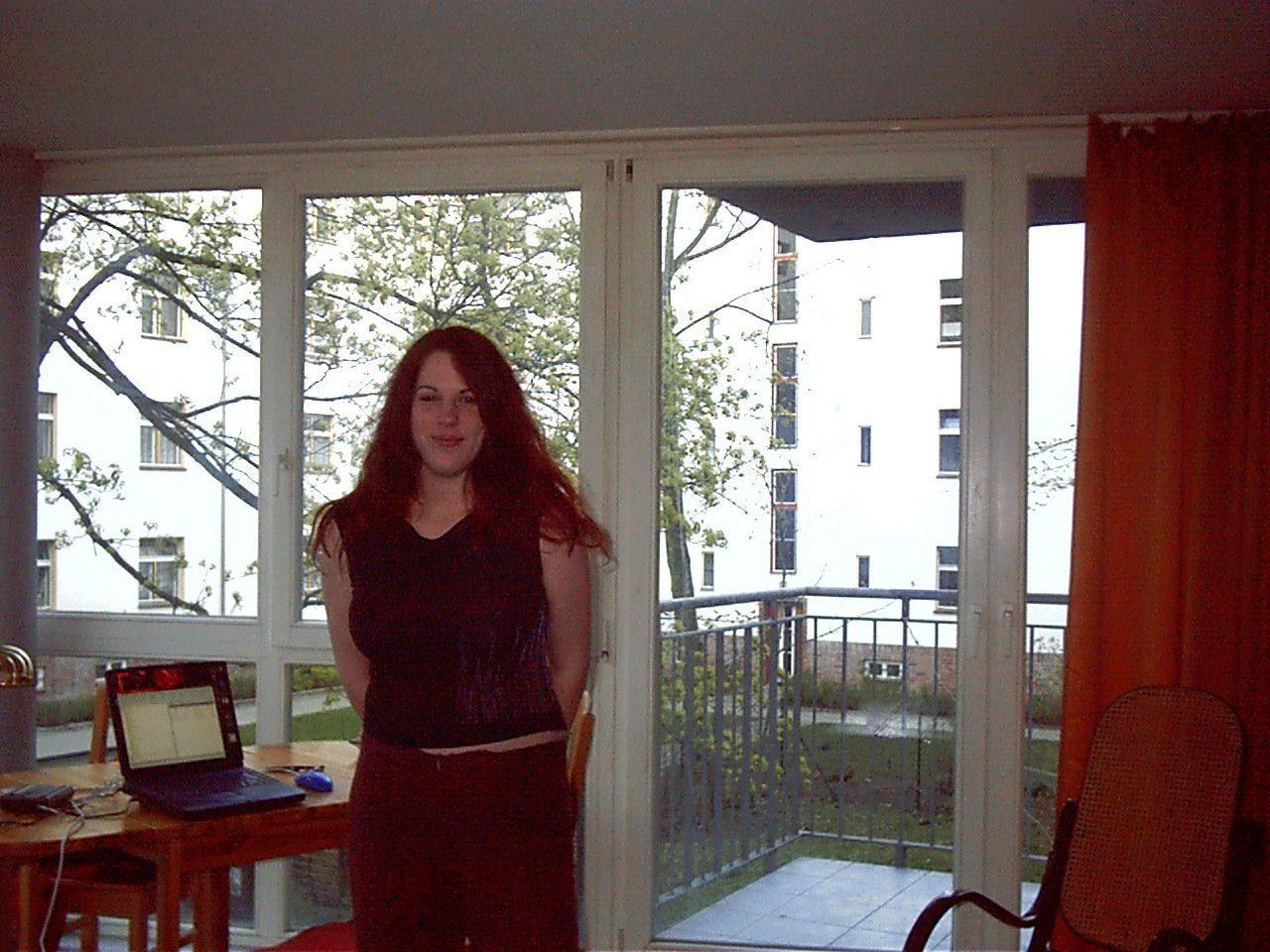
Me in my Berlin apartment in 1999
My Pixelpark business card: Daniela Kirsch, IT Developer

Pixelpark, 1999–2001

“I want to be a coder.”

I sent my website to Pixelpark, then the biggest web agency in Germany. The interviewer asked me one question: do you want to be a coder, or do you want to do design? Saying it out loud felt incredible. They hired me that day. The company listed at €15 a share, peaked at €336, and within two years the party was over. The internet did not go away.

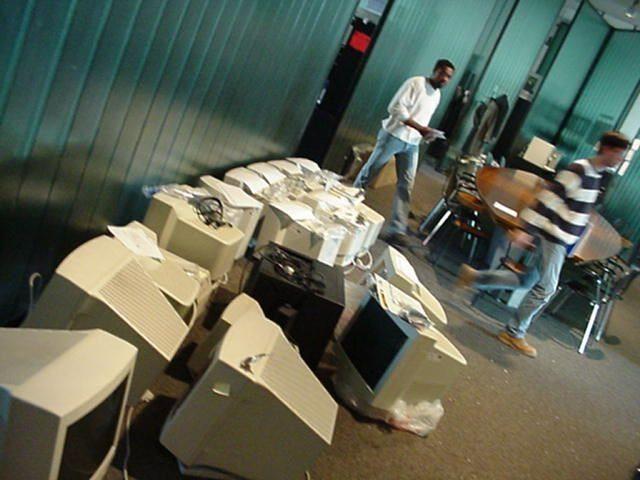
An emptied-out agency office after the dot-com crash

HelloPlugin, 2007–2015

Eight years of invisible work.

I co-founded a Berlin development shop and ran it for eight years with a team of eight engineers. We built for Mercedes-Benz, Adidas, Electronic Arts, Deutsche Telekom and Axel Springer, mostly behind agencies and often under NDA. I was managing director, salesperson, project planner and lead developer at the same time. My best work had someone else's name on it.

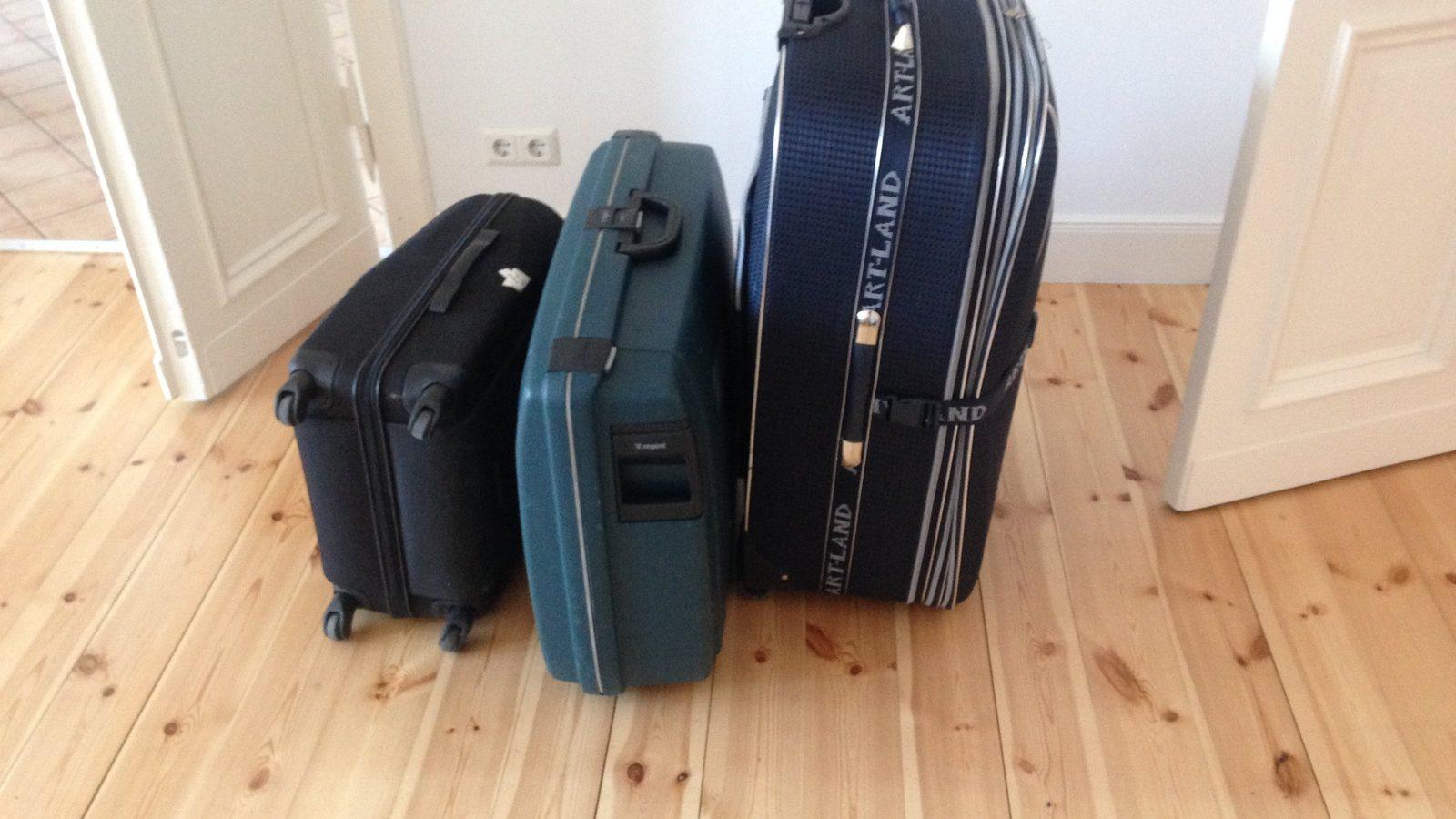
Three suitcases on a wooden floor, everything I brought to New York
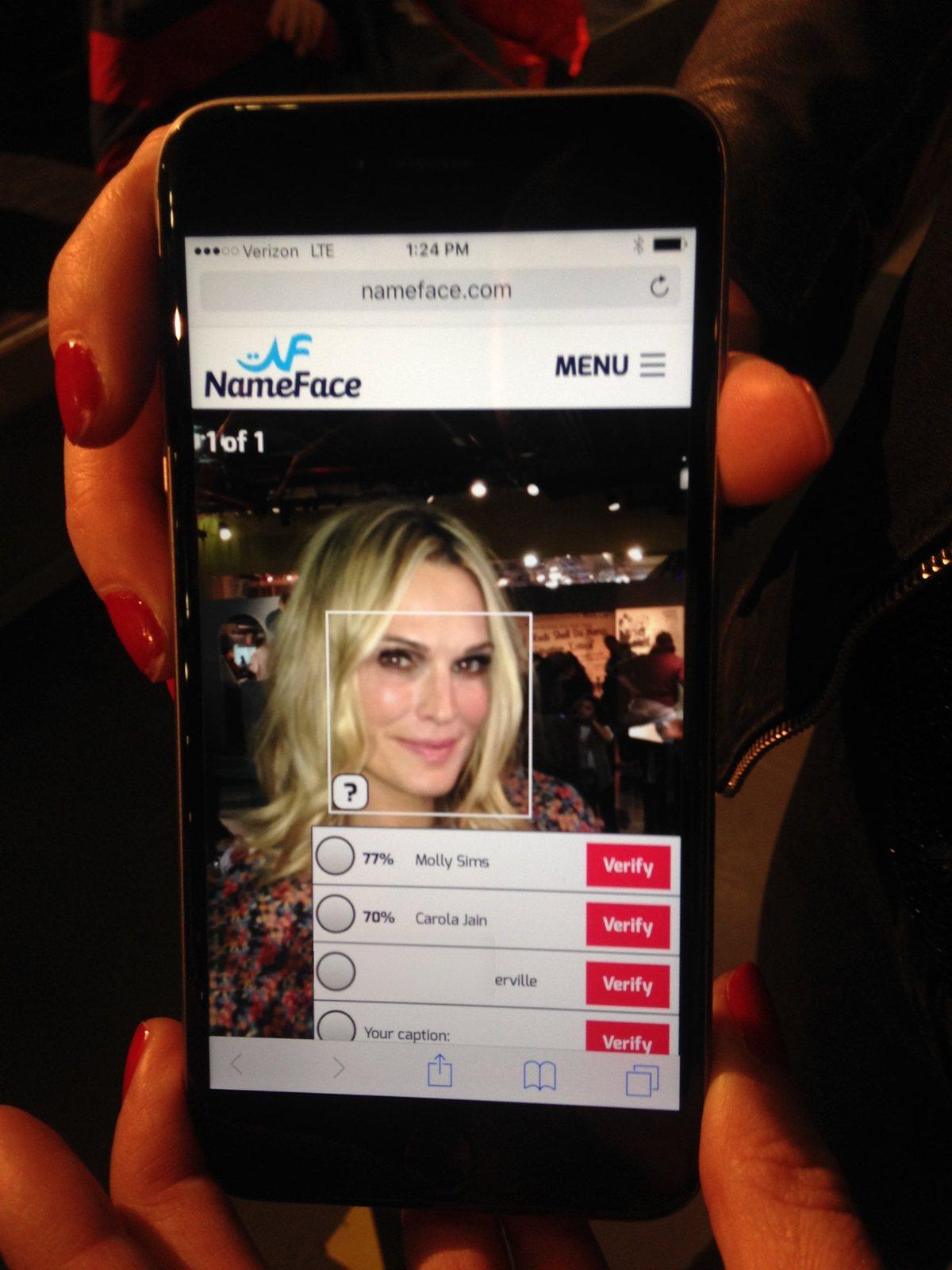
NameFace running on a phone, identifying a face at an event

New York, 2015

39. New York. Three suitcases.

In September 2015 I came to New York on vacation. A photographer friend asked whether I could help name the people in his event photos, maybe with facial recognition. I said yes, yes, I can. Two months later I moved here with three suitcases and no network of my own to build NameFace, a Shazam for photos.

The NameFace launch party in Chelsea, January 2016
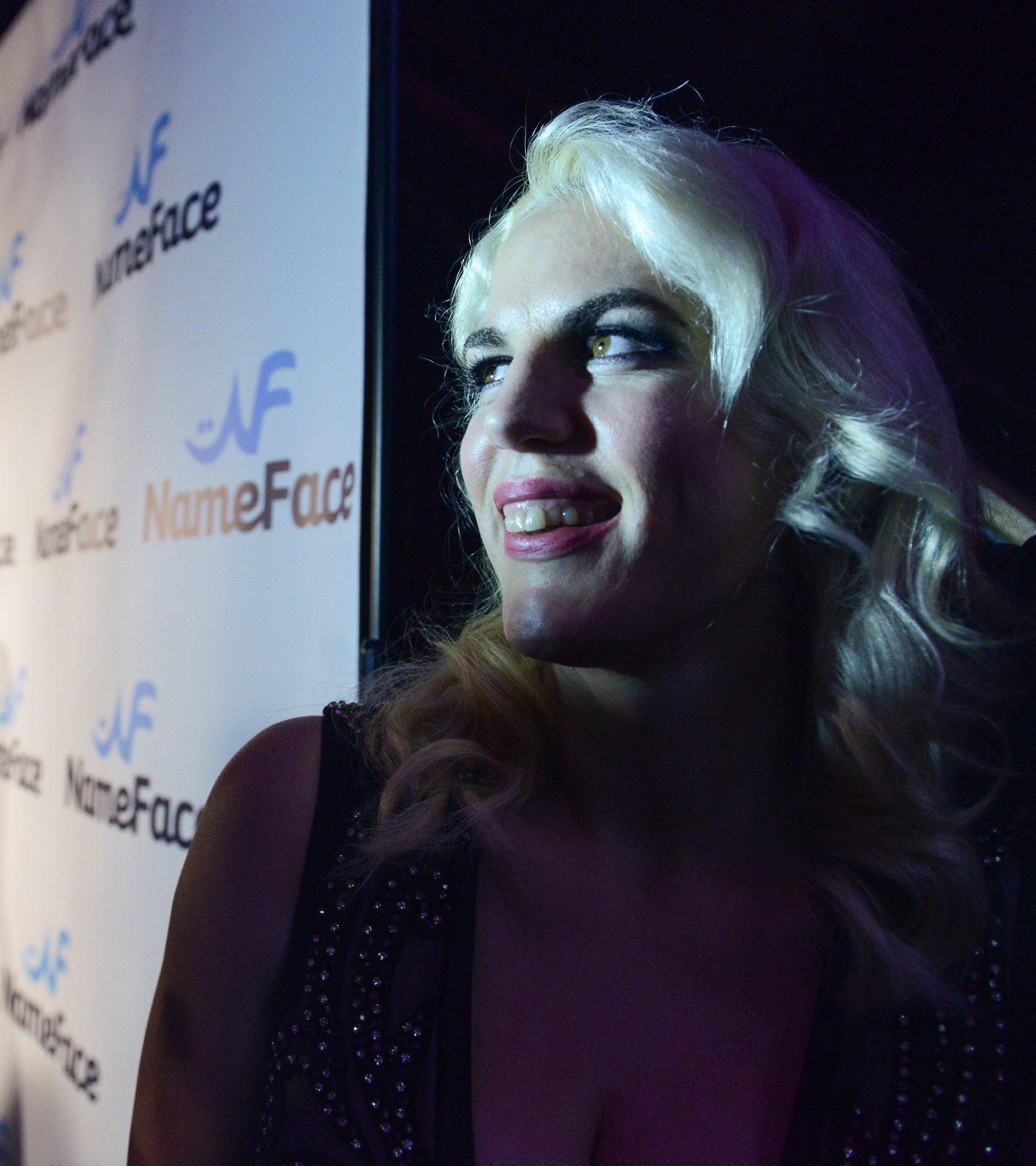
Me in front of the NameFace step-and-repeat at the launch

NameFace, 2016

We built it. It worked. And it still failed.

We launched in Chelsea in January 2016 in front of five hundred people. No investor, no accelerator, no Y Combinator. Photographers used the product every day, and it never made money. I ended up in an apartment with five roommates, in debt and very alone. Being able to build something is not the same as building something that succeeds.

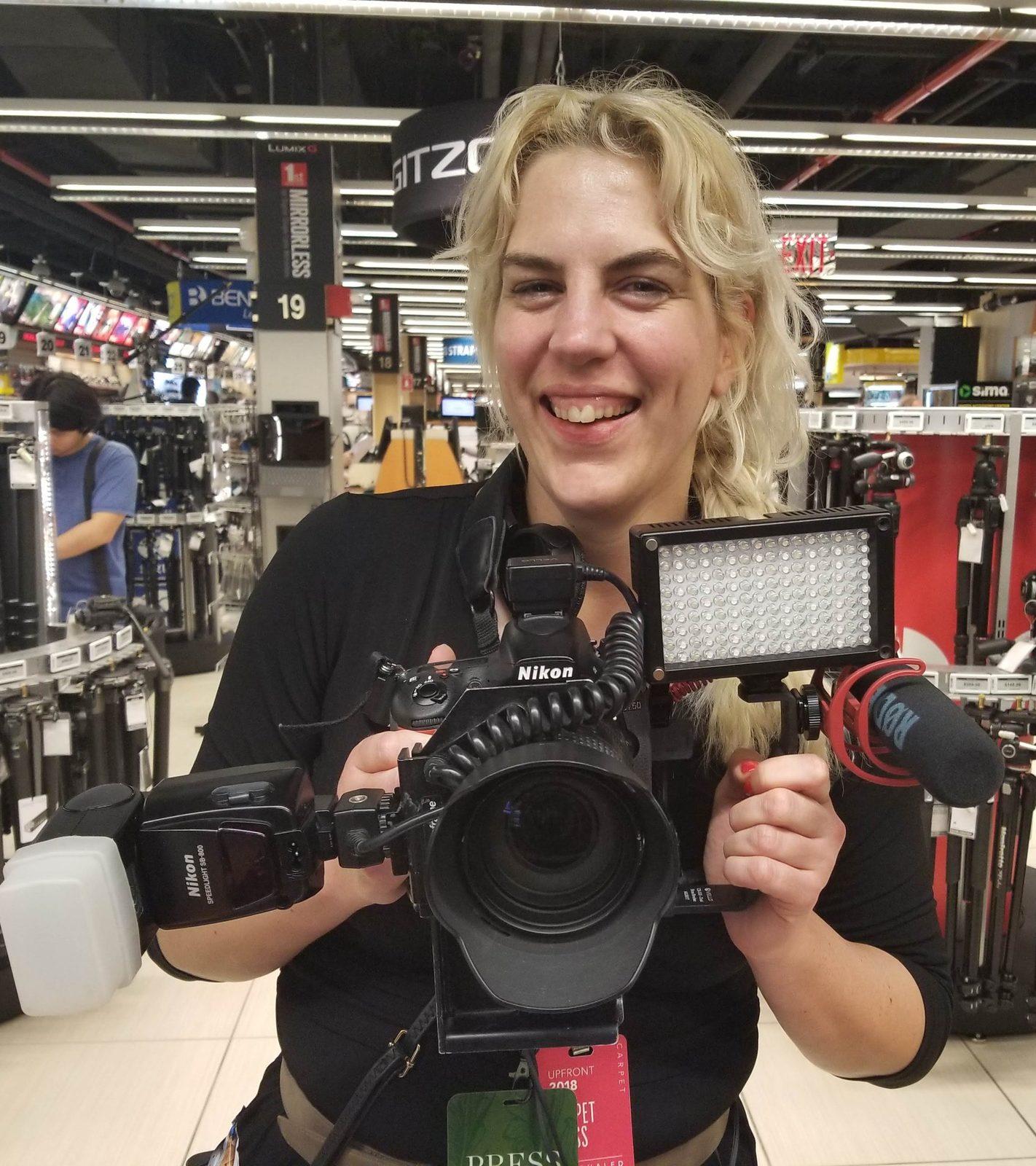
Me holding a camera rig with a light at a camera store
My cameras and lenses laid out on a table

2016–2018

So I became a photographer.

I turned the startup into an event photo agency and shot it myself: fashion-week front rows, galas, premieres. In 2018 I built an AI fashion-forecasting pilot with Nicole Miller, years before AI was every startup's pitch. I learned what to build by watching what people actually wanted.

Lady Gaga at the National Board of Review awards
Scarlett Johansson at the American Museum of Natural History gala
Karlie Kloss at the Berggruen Prize gala
Queen Sofia of Spain
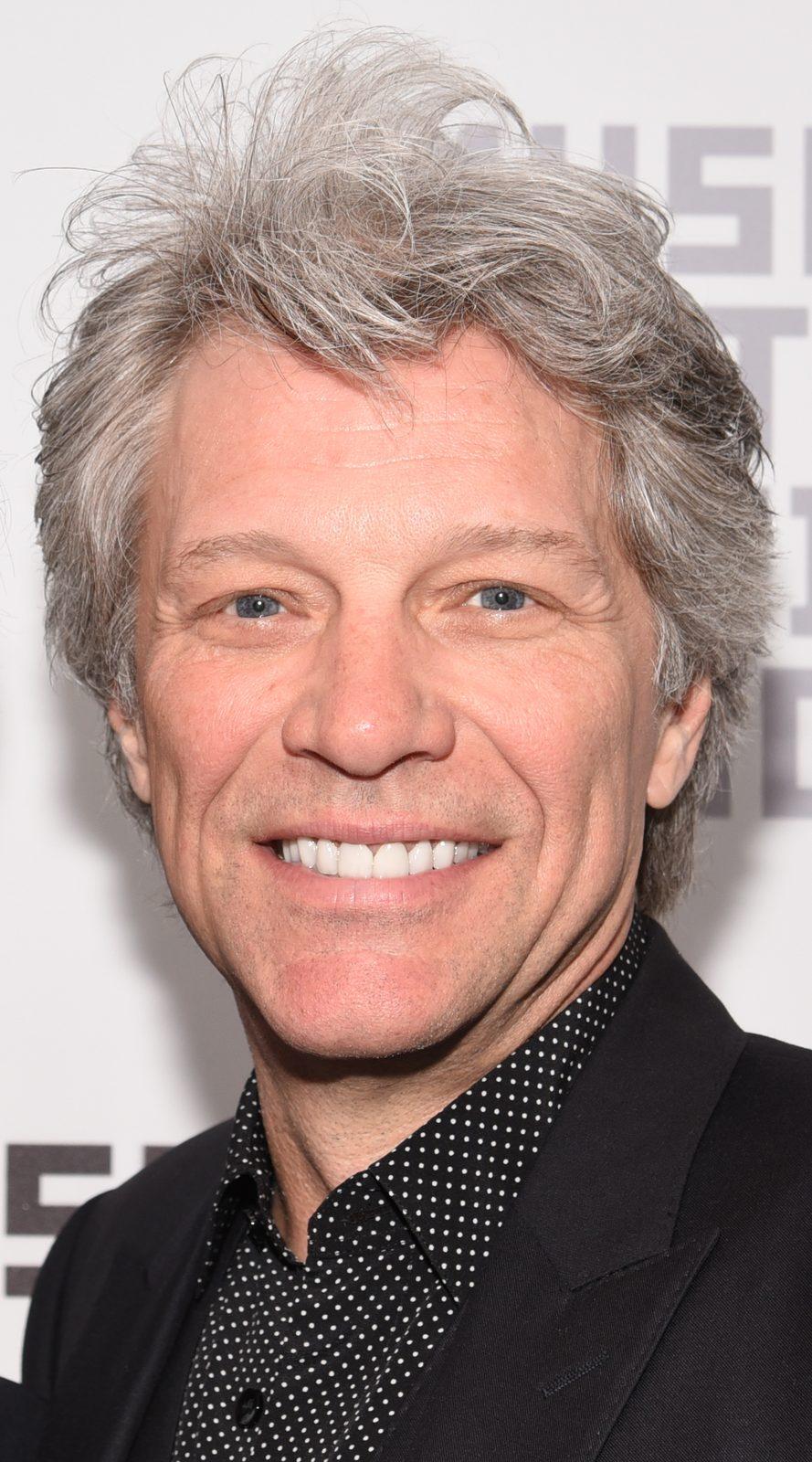
Jon Bon Jovi on a red carpet
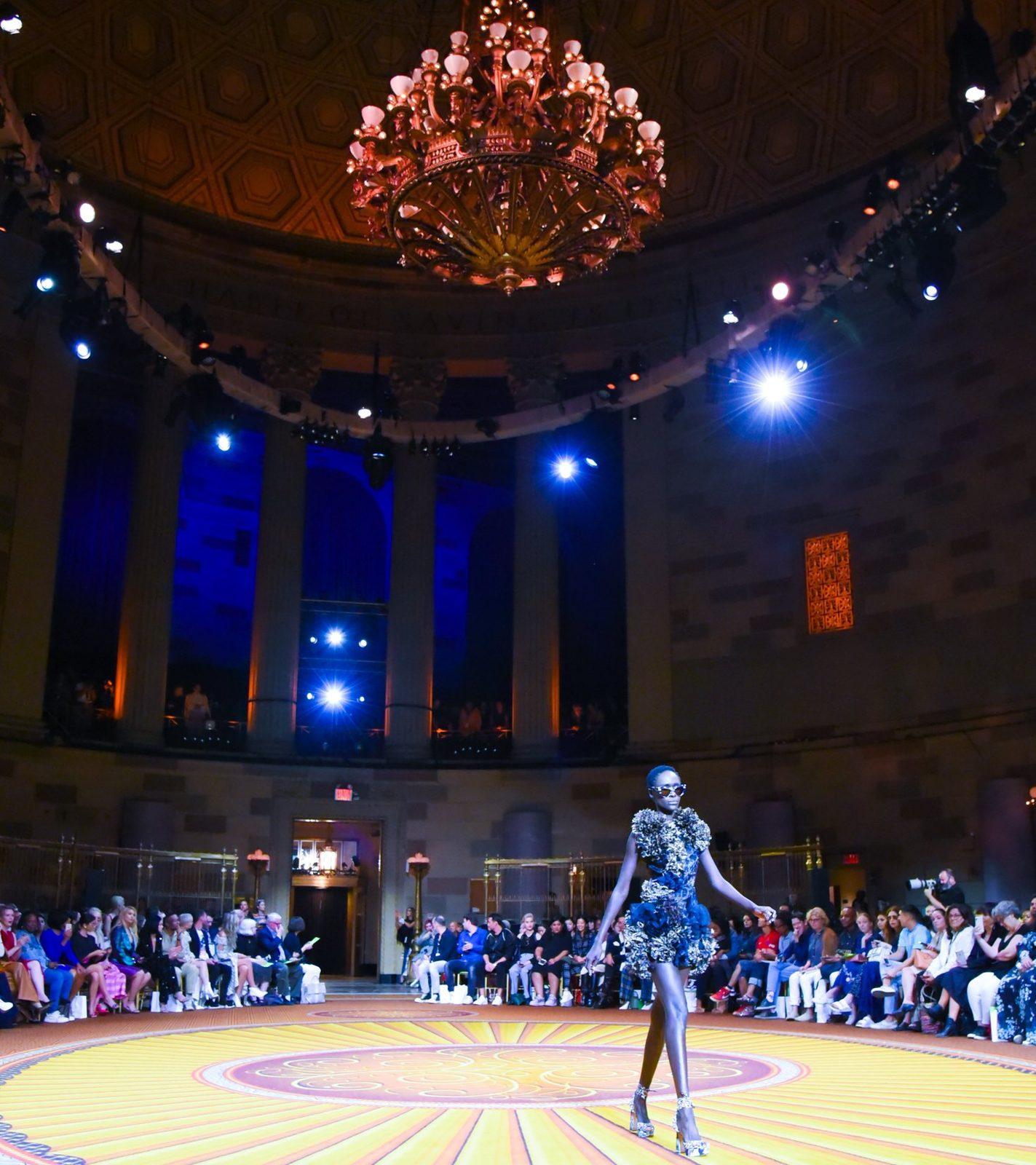
A runway show from the front row at New York Fashion Week

Front row at Fashion Week, with a camera. A few of the people I photographed between 2016 and 2020.

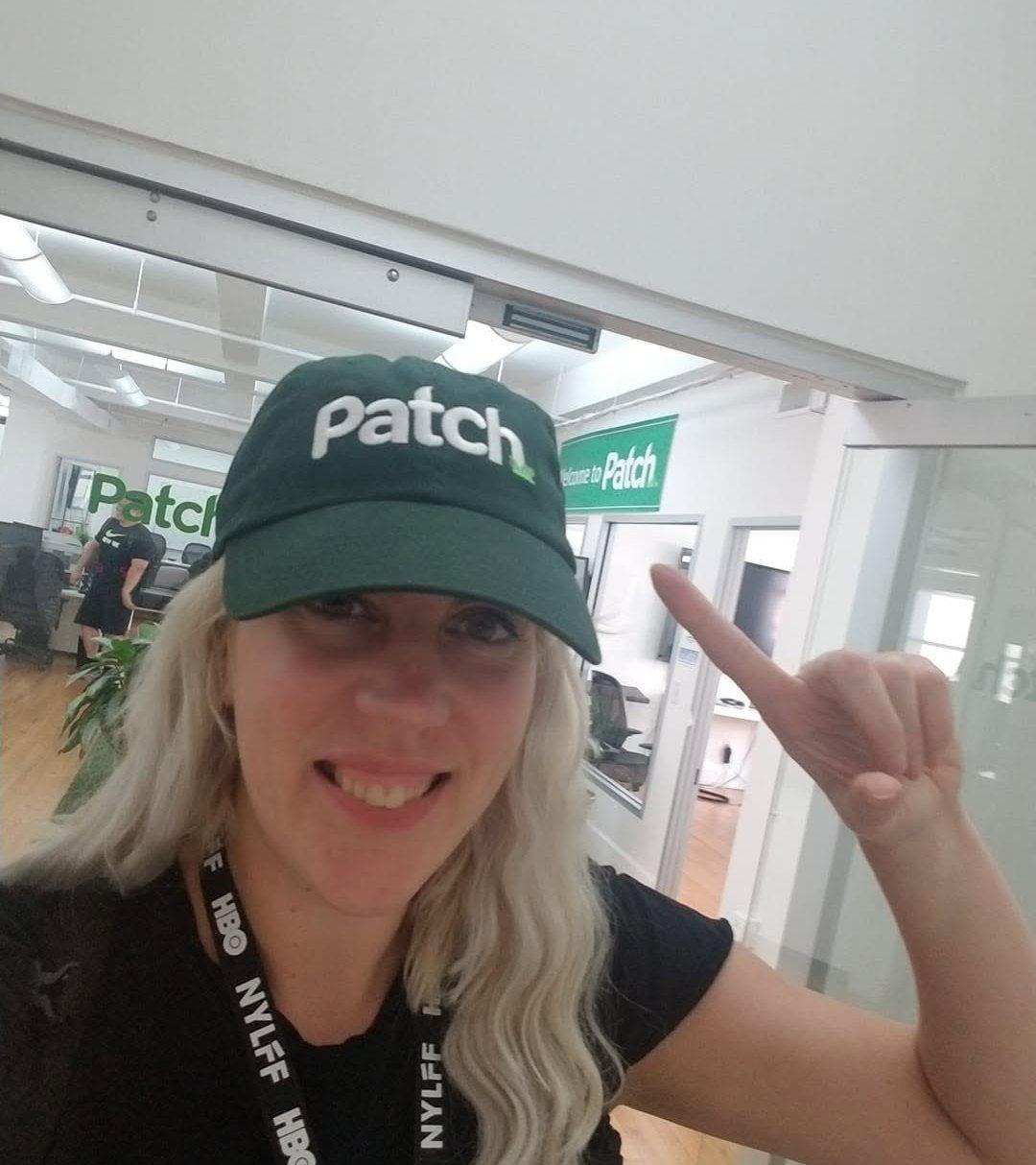
Me in a Patch cap, pointing at the Patch office sign

Patch, 2018–2023

Two jobs. One company.

At Patch I was tech lead for a hyperlocal news platform with more than 20 million monthly readers: TypeScript, Node.js, React and AWS serverless. I also wrote a weekly photo column there. Only one of the two jobs was public.

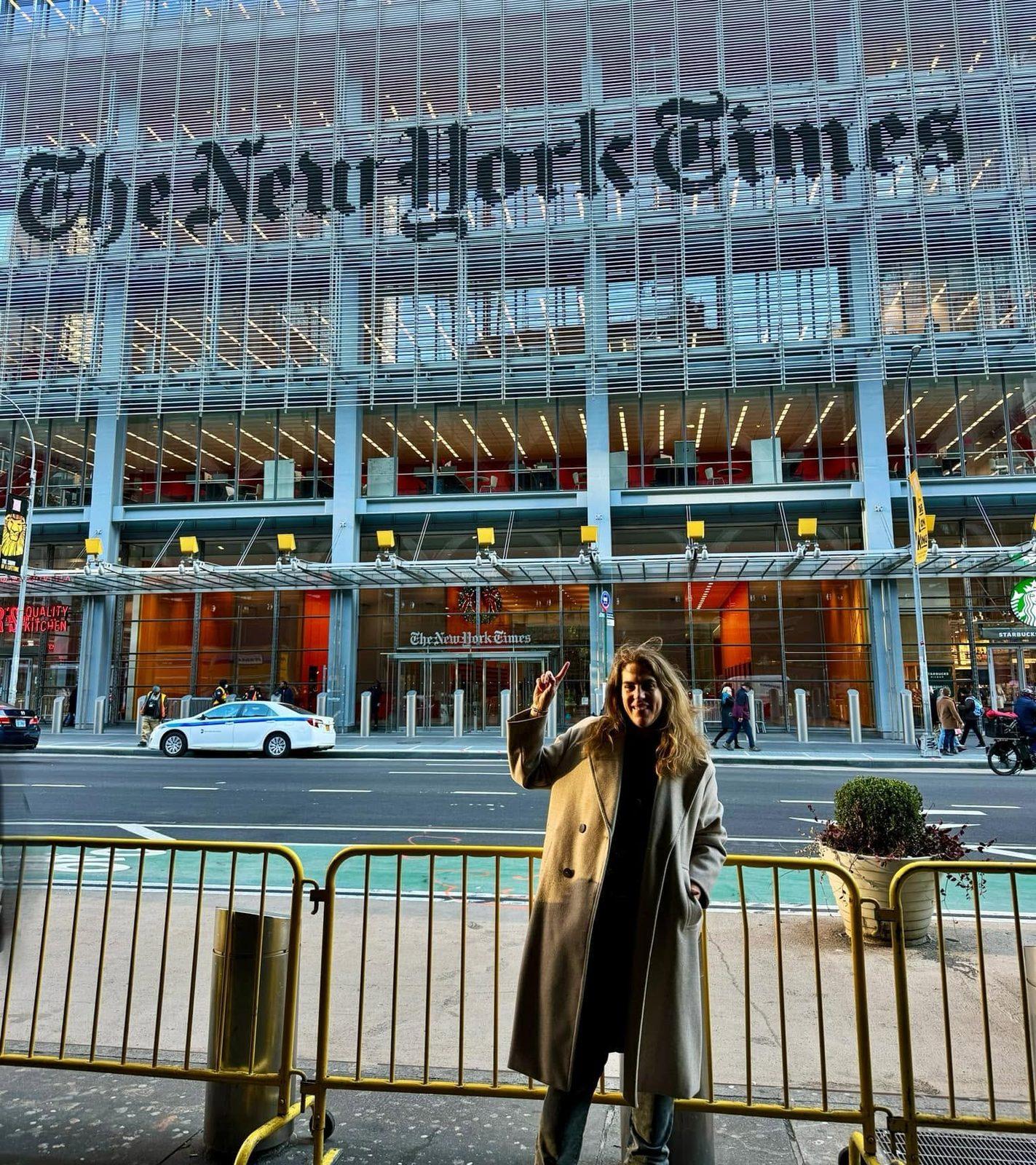
Me waving in front of The New York Times building
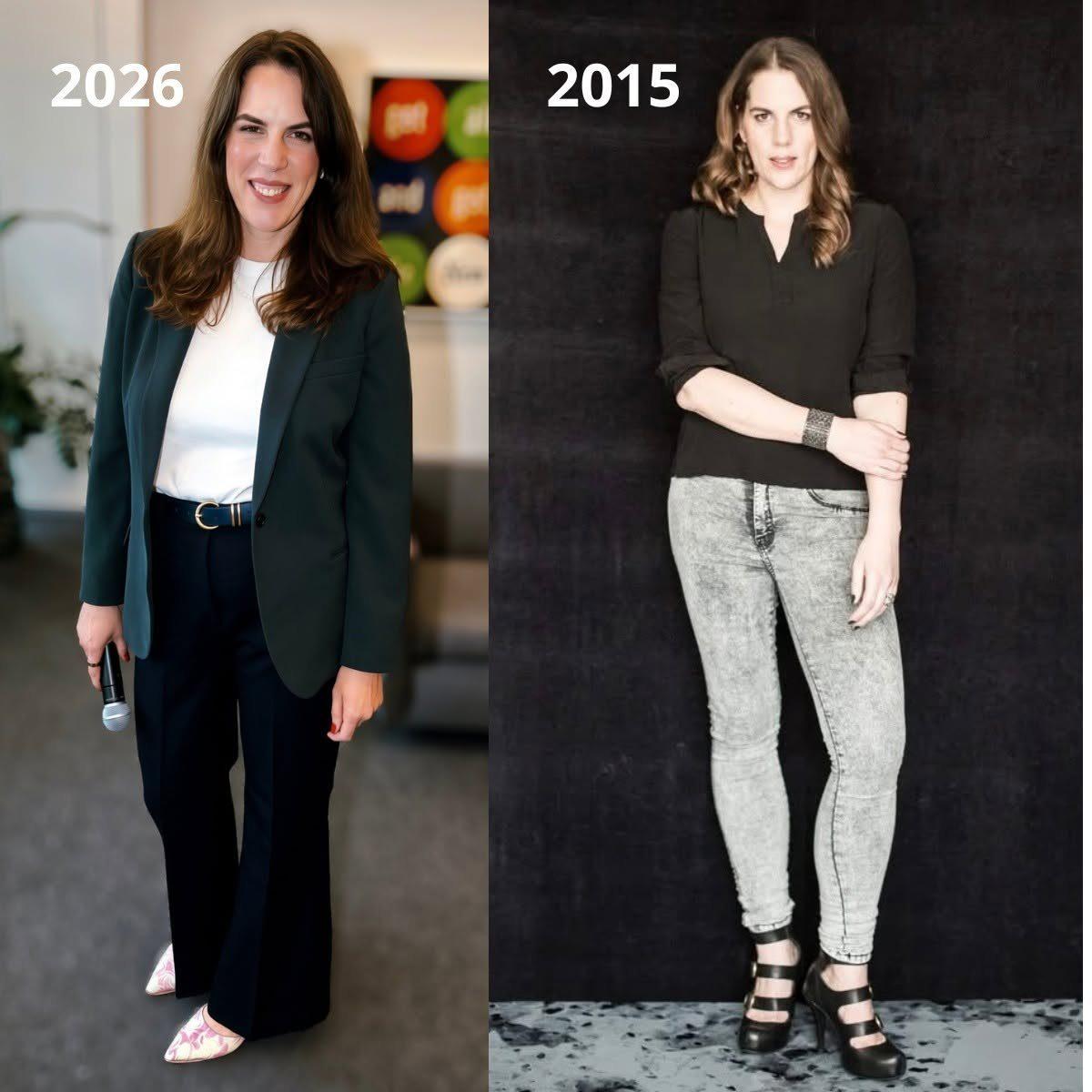
Side by side: me in 2026 on stage with a microphone, and in 2015 in a studio portrait

The New York Times, 2023–

My own front door.

I joined The Times to work on the systems behind the nightly print run and replaced undocumented 20-year-old systems with zero production disruption. Today I am on the AI Enablement team, which builds enterprise AI workflow automations. In August 2026, a week after turning 50, I was promoted to Principal Engineer.

Lower Manhattan skyline at dusk

I made it in New York.

Ten years ago I had nothing in this country. Today I own an apartment in Jersey City, I’m married, and I was promoted to Principal Engineer at 50.

What I do now

Who gets to build changed. Security and governance didn’t.

Every day someone who is not an engineer shows me a tool they built with AI. A homepage tracker. An inbox triage agent. Something that already runs every morning from their own GitHub repository. My job is to help them make it official.

1

Explore

Everyone builds. Fast, cheap, messy, and often exactly right.

2

Make it grown-up

Stable. Observable. Secure. Governed. Somebody still has to carry the pager.

Don’t ask AI to do the thing. Ask it to build you the thing that does the thing.

AI makes building cheap. It doesn’t make knowing what to build cheap.

The code runs. The problem is everything you didn’t ask for.

Nobody rewrote it. Somebody made it grown-up.

Speaking

Everyone is coding now! How AI is changing who builds.

A few months ago an editor at The Times, not an engineer, built a tool with AI. And it worked. This now happens all the time. Marketing, finance, product and design teams are coding. Until now, if you had an idea for a tool, you needed an engineer. Not anymore.

This talk is my answer to what happens when building software is not exclusive anymore, taken from my own life and from what I see every day on the AI enablement team. It’s a personal talk, and a hopeful one: East Berlin in the nineties, the dot-com crash, New York at 39, and why I’m not scared of this moment. Mostly.

Talks

  • Everyone is coding now! How AI is changing who builds

    Invited talk

    Keynote

    October 21, 2026

  • What's your workflow? An email-to-data platform in production

    LDX3 New York, LeadDev

    Live demo

    September 15, 2026

  • AI Enablement Workshop

    The New York Times

    Internal talks

    Multiple sessions, 2026

Invite me to speak

Topics I talk about

  • Everyone is coding now: what happens when building software stops being exclusive
  • Make it grown-up: taking AI tools from a personal GitHub repo to a governed production system
  • Modernizing 20-year-old systems with coding agents and zero production downtime
  • Build the thing that does the thing: automation for people who are not engineers
  • Starting over: Berlin in 1999, New York at 39, Principal at 50
Keynotes, conference talks, internal engineering events and hands-on workshops. English or German.

Experience

Things take longer than you think. Almost thirty years of them.

Aug 2026 – Present

New York, NY

The New York Times

Principal Engineer · AI Automation & Agentic Systems

Senior technical engineer for AI business automation in Enterprise Technology. I architect and operate production platforms that turn scattered AI experiments into safe, observable and maintainable enterprise systems, and I set the engineering standards for the discipline.

  • An AI solution catalog with guardrails, staging, observability, cost governance and a clear ownership and maintenance model, hardened for security, least-privilege access and auditability.
  • The technical standards and criteria for when a workflow must graduate from a personal-use agent to an enterprise-maintained system, plus the reference architectures and frameworks other engineers build on.
  • Applying agentic engineering to modernize critical legacy systems, packaged as reusable approaches other teams can adopt.
  • Growing engineers into agentic work through reference architectures, reusable plugins, office hours and hands-on training, and representing our engineering practice externally through talks and writing.

Dec 2023 – Aug 2026

New York, NY

The New York Times

Staff Software Engineer · Co-Lead, Enterprise GenAI Initiative

Enterprise Technology, supporting the systems behind the newspaper's nightly print production, and co-leading the Enterprise GenAI initiative.

  • Led replacement of 20+ year-old, undocumented print systems: reverse-engineered a third-party planner with no source access, defined architecture, and wrote much of the code. Coding agents cut the timeline nearly in half; delivered in about six months with zero production disruption.
  • Founded the email-to-data platform on AWS Bedrock and AgentCore; it spread to five teams in six months, and one newsroom workflow surfaced 21% more items than the manual process.
  • Among the first to test agentic coding; co-authored the guidelines that informed leadership's adoption decision; co-designed engineering-wide agentic training, owning agent and subagent architecture.
  • Built a secure CI on-ramp for least-privilege, audit-trailed LLM access with per-run cost tracking, and operated agents for code review, issue resolution, documentation and self-healing dependency maintenance.

May 2018 – Dec 2023

New York, NY

Patch.com

Tech Lead & Senior Software Engineer

Tech lead and full-stack senior engineer for a news platform serving 20+ million monthly users with hyper-local news across the United States.

  • Engineered core services using TypeScript, Node.js, React, PHP and shell scripting.
  • Architected concurrent job queues with AWS SQS, Lambda, SNS, EventBridge and Step Functions.
  • Built backend caching with Fastly for top Google PageSpeed Insights scores; mentored engineers and ran technical workshops.

2015 – 2018

New York, NY

NameFace

Co-Founder & Senior Software Engineer

A facial recognition platform for news and event photographers to identify personalities in their photos.

  • Built the recognition, upload, naming and metadata workflows; hired a team of four; pitched investors and handled customer acquisition.

2007 – 2015

Berlin, Germany

HelloPlugin GmbH

Co-Founder, Managing Director & Lead Developer

A Berlin web engineering shop building for global brands and agencies: PHP and JavaScript applications, Drupal and WordPress, responsive web.

  • Clients and agency partners included Mercedes-Benz, Smart, Adidas, Electronic Arts, MTV, Deutsche Telekom, BBDO, Axel Springer and Bayer.
  • Recruited and mentored a team of eight engineers while remaining hands-on as lead developer.

1999 – 2007

Berlin & Essen, Germany

Earlier career

Director of PM, Technical PM, Senior Engineer

Pixelpark, freelance, GFKL Financial Services and GameDuell.

  • GameDuell: Director of Project Management, scaling the team from 10 to 30+ engineers, including an offshore team in Thailand.
  • GFKL Financial Services: Technical Product Manager with distributed teams in Lithuania and Armenia.

AI enablement

Claude Code SDKMCPAgentic workflowsRAGAWS BedrockAWS AgentCoreStrands AgentsLLM integration

Languages & frameworks

TypeScriptNode.jsPythonReactNext.jsSQLBash

AWS & serverless

LambdaStep FunctionsEventBridgeSQSSNSDynamoDBRDSS3IAM

Infrastructure & CI/CD

TerraformGitHub ActionsHashiCorp VaultFastlyCloudWatchDatadog

At home

It doesn’t know my cats. I know my cats.

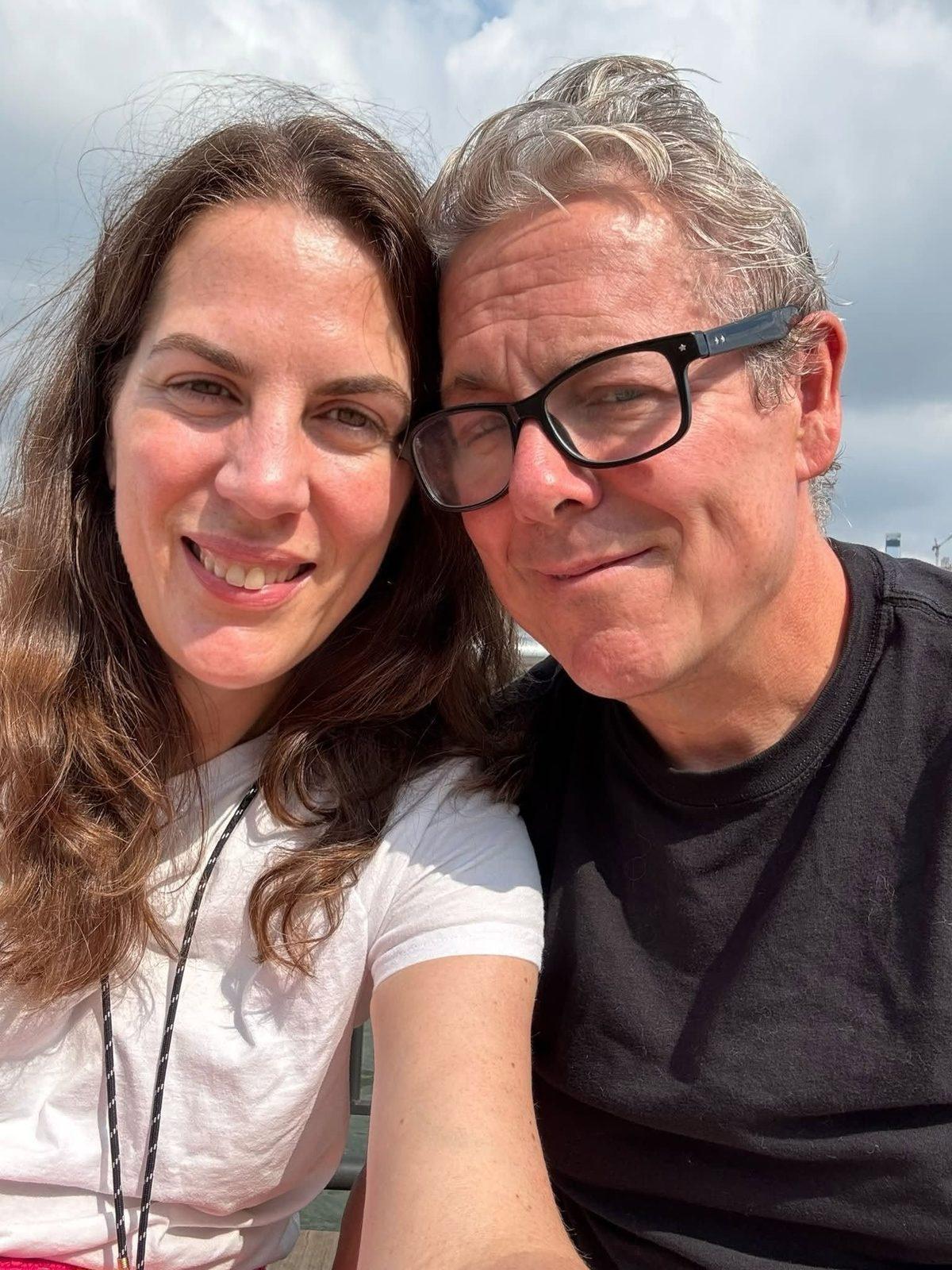
I live in Jersey City with my husband Keith, our Lagotto Romagnolo Rasmus, and our cats. The AI doesn’t know the things that were never written down. They have never been in this room. You have.

Keith and me
Rasmus, our Lagotto Romagnolo
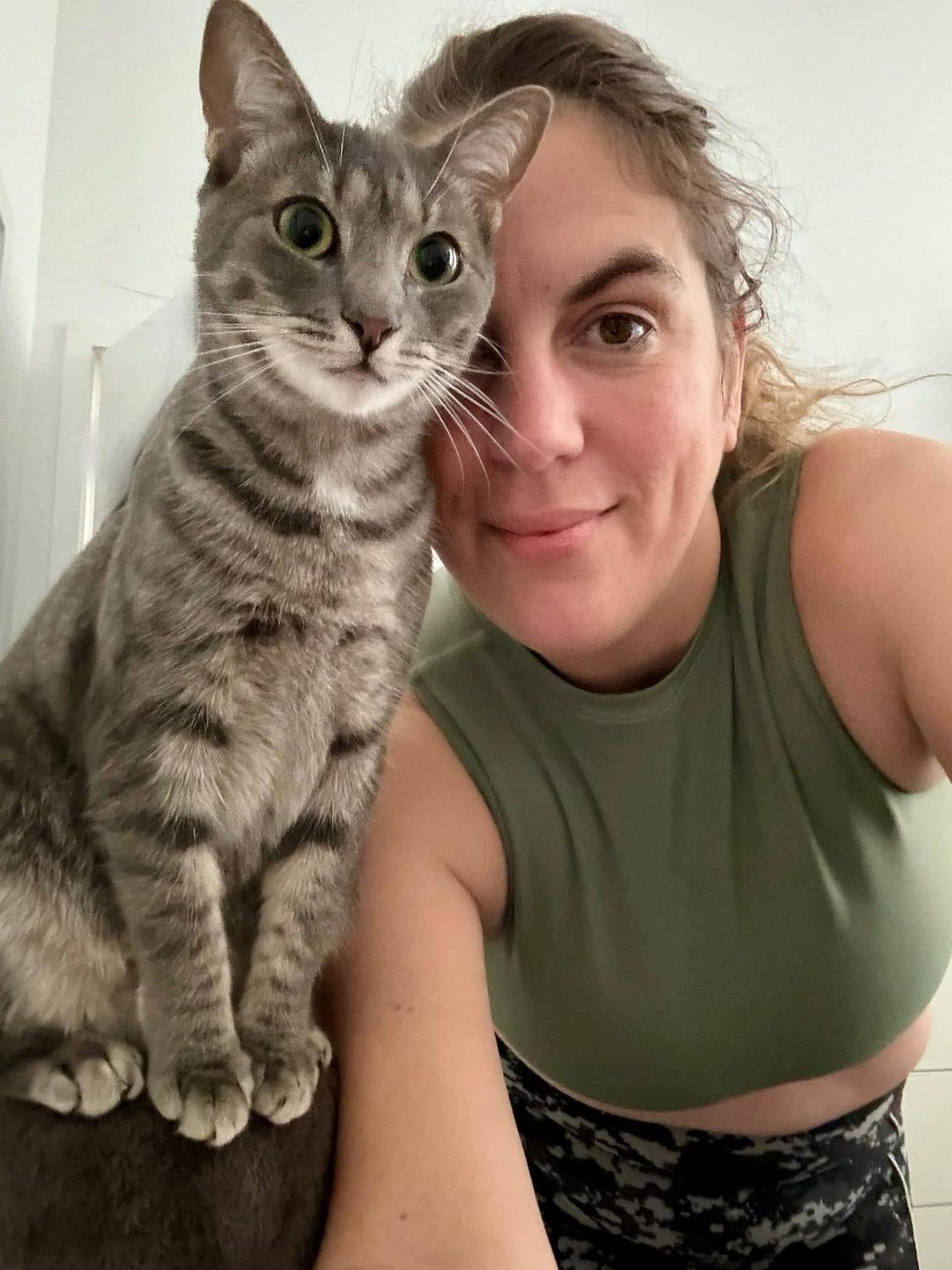
Mojo the gray tabby and me
Fred the Maine Coon on the rooftop
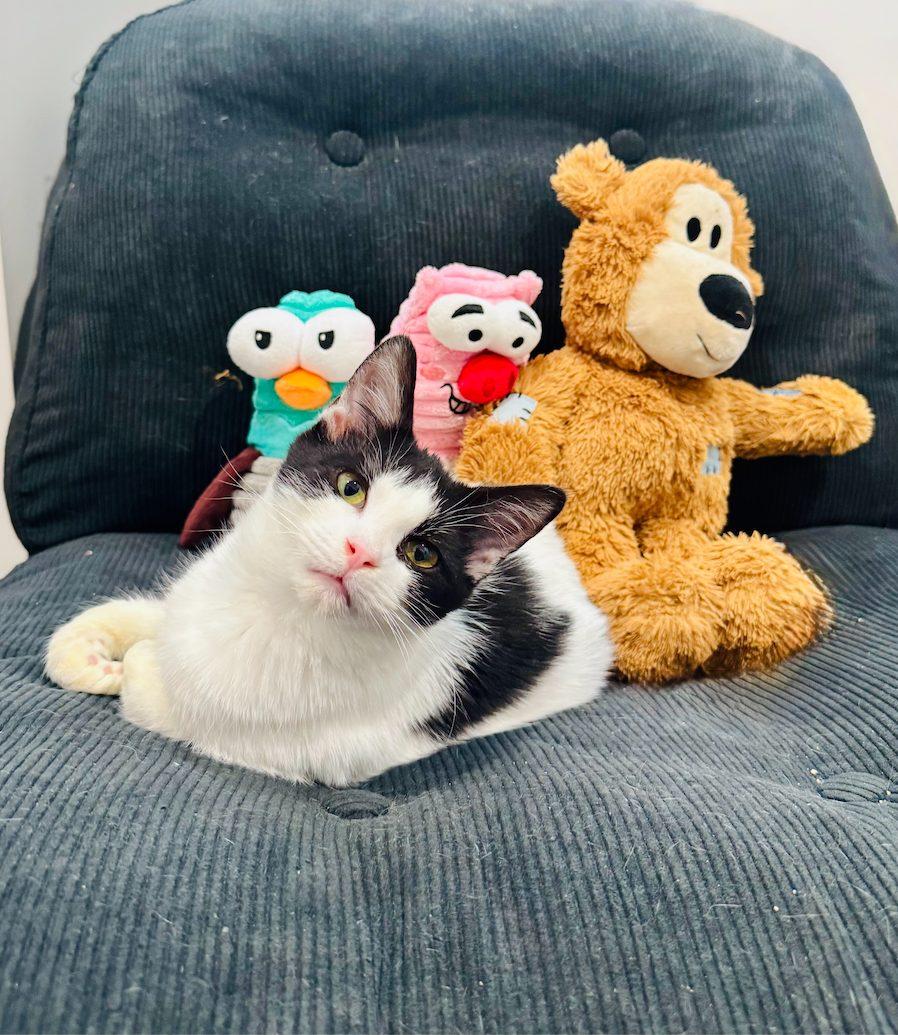
One of our cats surrounded by plush toys
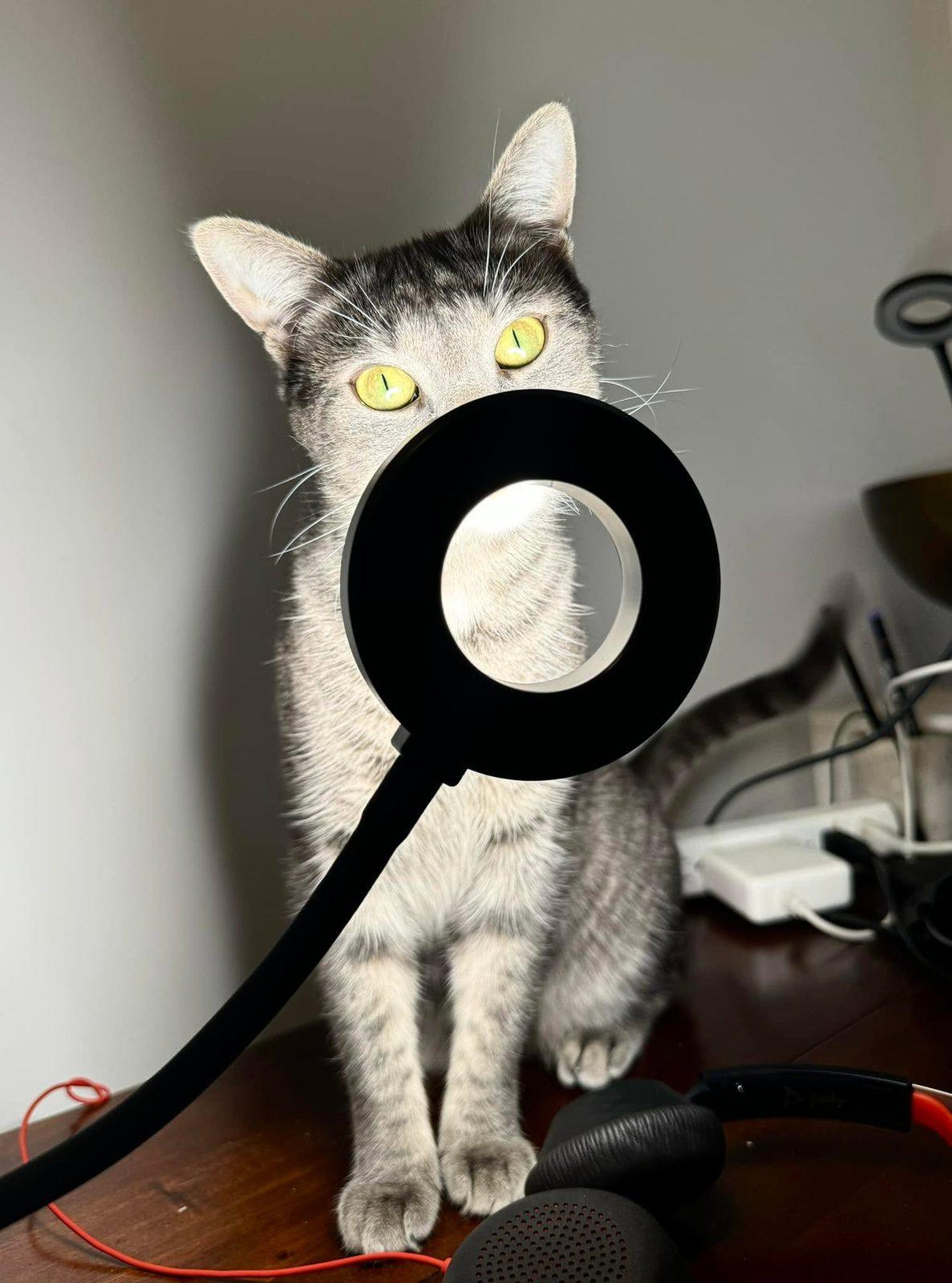
Mojo peering through a ring light

Contact

Thank you! Let’s talk.

Keynotes, talks, workshops, or a conversation about making AI tools grown-up. Say hello.

hello@danielakinsella.com

Jersey City, NJ · Ich spreche auch Deutsch.